Germany’s Industrial Pay Dispute Escalates Ahead of Another Strike Wave
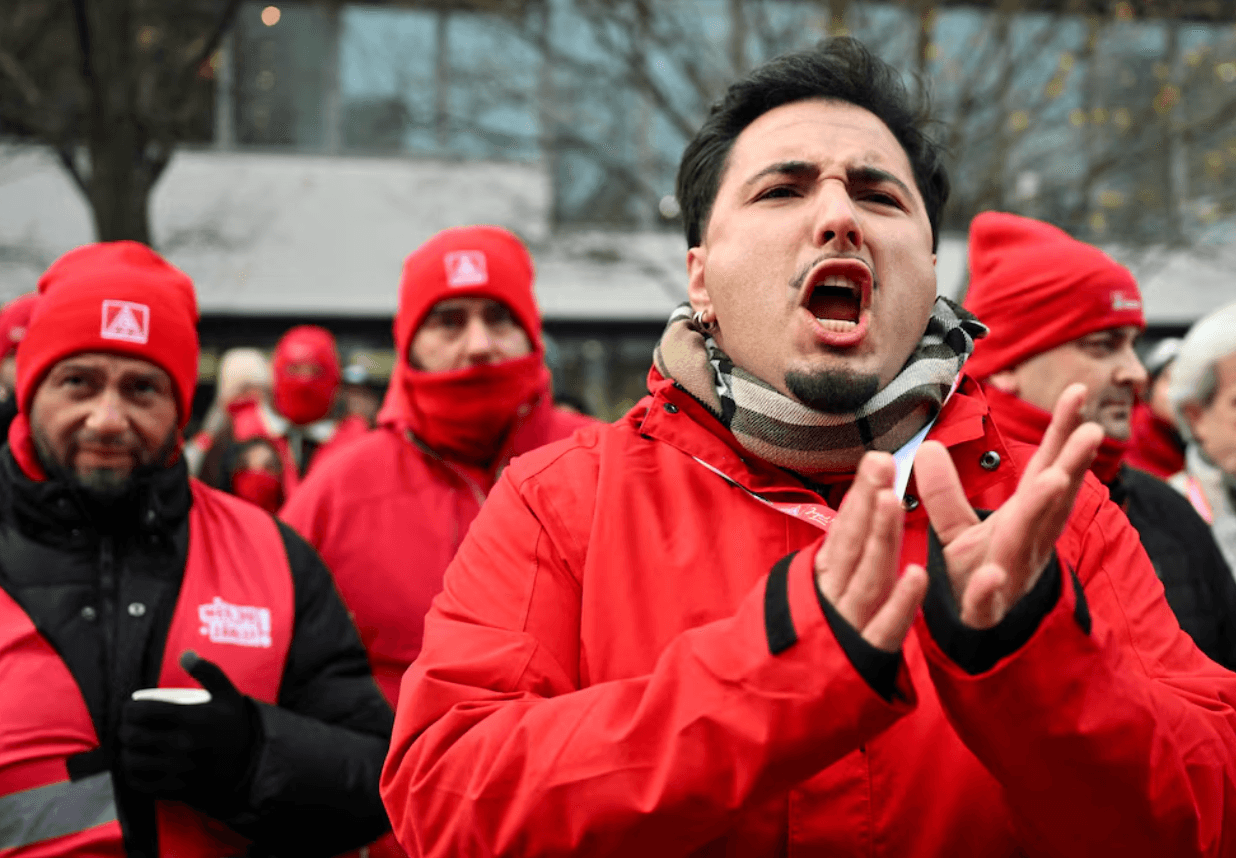
Germany’s industrial wage negotiations are heading into another disruptive week, with IG Metall calling for additional 24-hour walkouts across major manufacturing businesses.
Reuters reported on Sunday that the union planned to call more than 23,000 employees at 19 companies in northern Germany out on Monday. Businesses identified in the regional action include Mercedes-Benz, shipbuilder Meyer Werft, and wind-energy equipment manufacturer Siemens Gamesa. Around 12,300 workers had already struck at 17 northern facilities on Friday.
The northern action forms part of a wider bargaining campaign. In its national update, IG Metall said approximately 151,000 employees across more than 100 workplaces participated in Friday’s full-day strikes. Its list of businesses facing further action includes companies in automotive manufacturing, aerospace, engineering, and industrial equipment.
Those figures describe different geographical scopes: the smaller Reuters totals concern northern Germany, while the union’s larger number covers the broader campaign.
At the center of the dispute is a demand for a 5% pay increase, alongside stronger protections for jobs and production locations. IG Metall also wants to discuss profit sharing and arrangements that account for differences between successful companies and businesses under financial pressure. The bargaining round covers an industry employing more than 3.7 million people, according to the union.
Reuters reported that employers had proposed no permanent pay increase for the first 20 months, followed by a 1.3% increase from July 2028. The union argues that this is insufficient. It has also said that departures from industry-wide agreements should come with binding commitments on investment, products, locations, and employment.
That makes the confrontation about more than the next pay packet. It also concerns how companies obtain flexibility and what workers receive in exchange when they accept changes to established terms.
The immediate development to watch is whether the expanded walkouts bring a revised offer or another round of escalation. Temporary strikes at prominent manufacturers can increase negotiating pressure, but their full production impact cannot be inferred simply from the number of employees called out.
The broader bargaining question is whether employers and workers can agree on a settlement that combines wage growth with credible commitments about the future of industrial jobs.