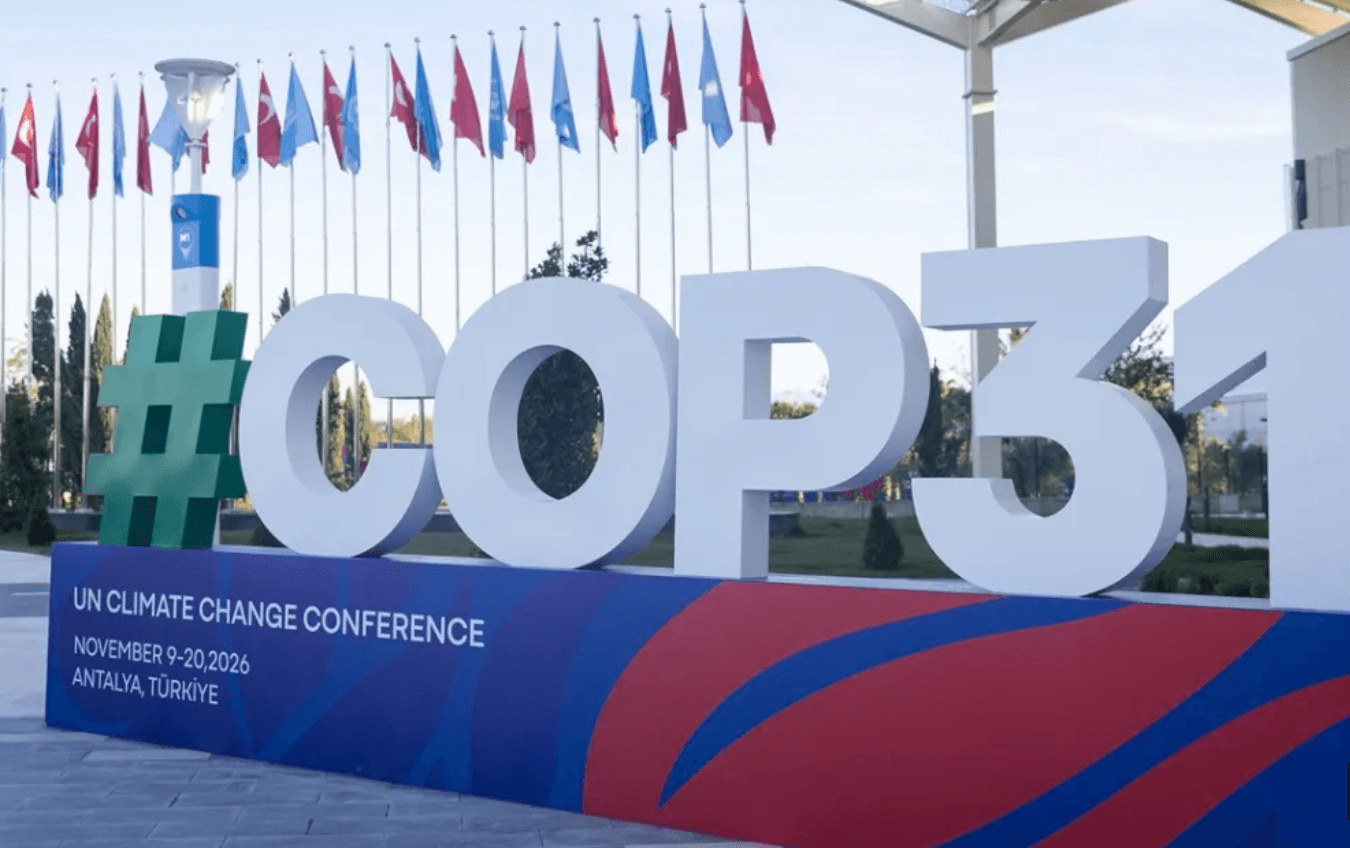
For the first time since Copenhagen in 2009, the annual UN climate summit has ended without its main agreement. COP31 in Antalya, Turkey wrapped up on Sunday after running almost two days past its scheduled Friday finish, making it the longest COP on record, and nearly 200 countries still couldn't land a deal.
The sticking point was easy to describe and impossible to fix. The final draft from co-hosts Turkey and Australia didn't mention oil, gas, or coal at all, and it had no call to move away from fossil fuels. That's striking, because an early draft published Monday had called for an immediate transition away from them. Over the week, that language vanished, as Saudi Arabia, Russia, and other major producers pushed back hard.
The European Union, the UK, and small island nations like Tuvalu refused to sign. EU climate chief Wopke Hoekstra argued that with the world heading past the 1.5°C warming limit, the bloc couldn't accept a text that stays silent on the main cause of climate change. Money was the other fault line: poorer countries wanted firm climate finance commitments, and those never showed up either. COP31 President Murat Kurum said there would be no new draft without consensus, and that was the end of it.
A couple of things to keep in mind. The collapse doesn't cancel what countries agreed at earlier summits, and a separate electrification pledge did come out of Antalya. The unresolved fights over finance and the fossil fuel transition now roll over to next year's summit in Ethiopia.
Still, it's a gut punch for climate diplomacy while emissions keep climbing. Was walking away the principled move, or would a weak deal have been better than nothing?