Lilly Buys a Huntington’s Research Startup in a Deal Worth Up to $725 Million
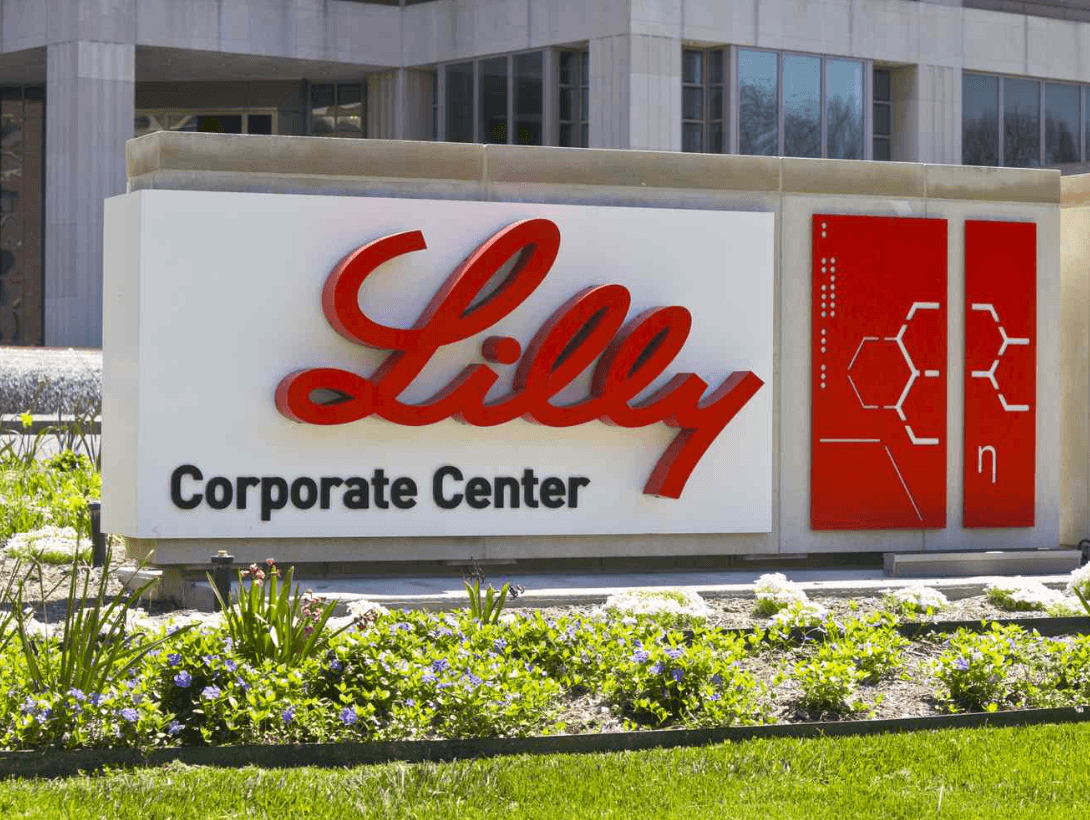
Eli Lilly has acquired Cambridge-based LoQus23 Therapeutics in a transaction worth up to $725 million, adding an experimental approach to Huntington’s disease to its neuroscience research efforts.
The headline figure includes an upfront payment and additional payments linked to development and regulatory milestones. The upfront amount was not disclosed, so the maximum value should not be interpreted as cash already paid.
LoQus23’s lead candidate, LQT-23, targets MSH3, a protein involved in DNA mismatch repair. The company is investigating whether inhibiting it can slow the expansion of repeated DNA sequences implicated in Huntington’s disease progression. In its announcement, LoQus23 reported activity in cellular systems and animal models. Human benefit has not been demonstrated.
The distinction between promising research and an effective treatment is especially important here. LQT-23 remains preclinical. The team expects to submit an application to begin clinical testing by the end of 2026, meaning the program still faces substantial work to establish safety and evaluate whether its biological effects translate into meaningful outcomes for people.
Lilly is therefore buying a research opportunity and the expertise behind it, rather than an approved medicine.
LoQus23 was founded in 2019 with backing from the Dementia Discovery Fund. It subsequently attracted investment from the Novartis Venture Fund and completed a £35 million Series A financing led by Forbion in 2024. The acquisition illustrates how a relatively small biotechnology company can develop an early scientific program that attracts a much larger pharmaceutical partner.
It also enters an increasingly active research area. Fierce Biotech reports that several other companies are exploring MSH3 through different approaches, including small molecules and gene-based strategies. That interest strengthens the target’s commercial profile, although it does not prove that any individual program will succeed.
The next milestones are concrete: a clinical trial application, authorization to proceed, and eventually results from human studies. Those developments will carry more weight for the treatment’s prospects than the acquisition price itself.
The deal is a notable example of specialist research attracting major backing. For families affected by Huntington’s, it represents another program moving toward testing, with significant scientific uncertainty still ahead.