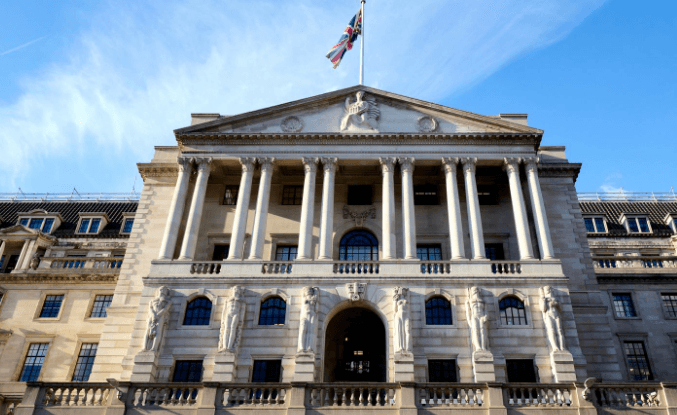
The Bank of England Raises Rates Again as Energy Shock Rekindles Inflation Worries
The Bank of England has increased its benchmark interest rate from 3.75% to 4%, its first rise in more than three years. The move reflects renewed concern that elevated energy prices and geopolitical disruption could keep inflation above the central bank’s 2% target for longer than hoped.
UK inflation is currently reported at 3.5%, and the Bank expects it could peak at 4.9% next year. Governor Andrew Bailey pointed to the Middle East conflict and its impact on energy prices as a central reason for caution. The message was not that Britain is heading into a long automatic series of rate hikes; rather, policymakers are trying to prevent a new inflation shock from becoming embedded in wages, services, and everyday prices.
The decision matters far beyond financial markets. Higher central-bank rates can feed into tracker mortgages, business loans, credit products, rental costs, and investment decisions. Savers may eventually receive better returns, but households carrying debt usually feel the pressure sooner. For companies, more expensive financing can mean slower hiring, fewer expansion plans, or a tougher case for investing in new projects.
The policy committee appears cautious rather than unanimous in its long-term view. While all policymakers backed an increase this month, one member favored a larger move. Bailey has said another rise may be possible if energy-price pressure persists, but future decisions will depend on incoming data rather than follow a fixed script.
For the startup and business community, the lesson is that the cost of capital is still a live operating issue. Companies that became accustomed to easier financing may need to revisit their assumptions about burn rate, customer demand, pricing power, and fundraising timelines. At the same time, a higher-rate environment can reward businesses with durable cash flow and clear customer value.
This also reminds us that inflation is never just an economics-chart story. A disruption in energy markets can reach households through bills, mortgages, transport, food, and business costs. The Bank of England’s decision aims to limit those secondary effects—but it does so by making money more expensive today.