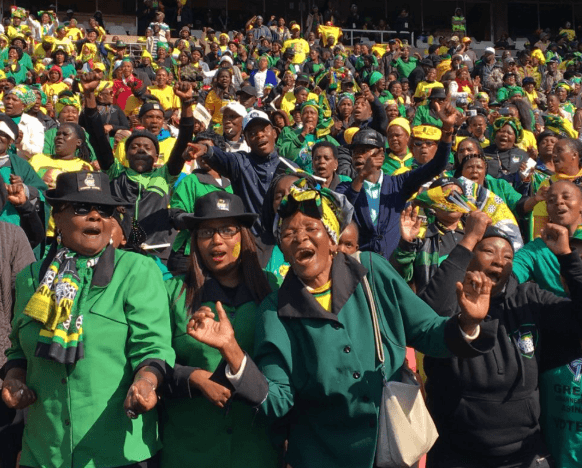
The party that ended apartheid just had its weakest showing in a local election. The African National Congress took 30.76% of the vote, down from about 46% in 2021. The Democratic Alliance came second with 24.64%, and former president Jacob Zuma’s MK party got 9.76%. The ANC won an outright majority in only one of South Africa’s nine provinces.
Nobody won a clear majority in the big cities, so the next stretch is coalition-building. Parties have 14 days to cut deals, and big cities like Johannesburg and Pretoria risk switching hands or falling into messy minority governments. Past coalitions there have been unstable, hurting basic services like water and electricity.
The result matters beyond the vote count. The ANC has led the country since 1994, and the slide shows how much patience has worn thin over unemployment, power cuts, and corruption. It also shows how fragmented politics is becoming, with a bigger role for newer parties like MK.
Local elections are usually seen as a warning for national ones. If the ANC can’t stabilize, the 2029 contest looks wide open, and international investors will be watching who ends up sharing power.
Can a party built on a historic struggle keep its support when voters judge it by potholes and blackouts?